

Quote in 48 hours
Get a custom quote
Fixed-fee scoping in 24 hours. No sales pitch.
Automated Penetration Testing: The 2026 Guide to Machine-Speed Offensive Security
Automated penetration testing is offensive security at machine speed: autonomous AI agents continuously probe applications, APIs, networks, and cloud environments, validate which weaknesses are actually exploitable, and chain them into real attack paths. Unlike a vulnerability scanner, which only lists CVEs, automated pentesting proves what an attacker could actually do, compressing a 4-week consulting engagement into days of coverage with senior testers validating depth and signing the audit-ready report.
This guide breaks down what automated pentesting actually is in 2026, how it differs from vulnerability scanning, where it still needs a human in the loop, and how to evaluate vendors without getting lost in marketing.
What is automated penetration testing?
- Automated penetration testing
- Offensive security at machine speed. Instead of a single tester running tools by hand over a fixed window, an automated platform orchestrates recon, enumeration, vulnerability discovery, exploitation, and lateral movement against a defined scope, either continuously or on demand.
It is not any of the following:
- A vulnerability scanner. Scanners list CVEs. Automated pentests prove which of those CVEs are actually exploitable in your environment and what they unlock.
- A replacement for a skilled tester. The best platforms in 2026 still pair AI agents with senior pentesters who validate findings, remove false positives, and chase exploitation depth machines struggle with.
- A compliance shortcut on its own. SOC 2, PCI DSS 4.0, HITRUST, FedRAMP, and FDA all expect human-attested results. Automation accelerates the work, and humans sign the report.
Automated pentest vs vulnerability scanner vs manual pentest
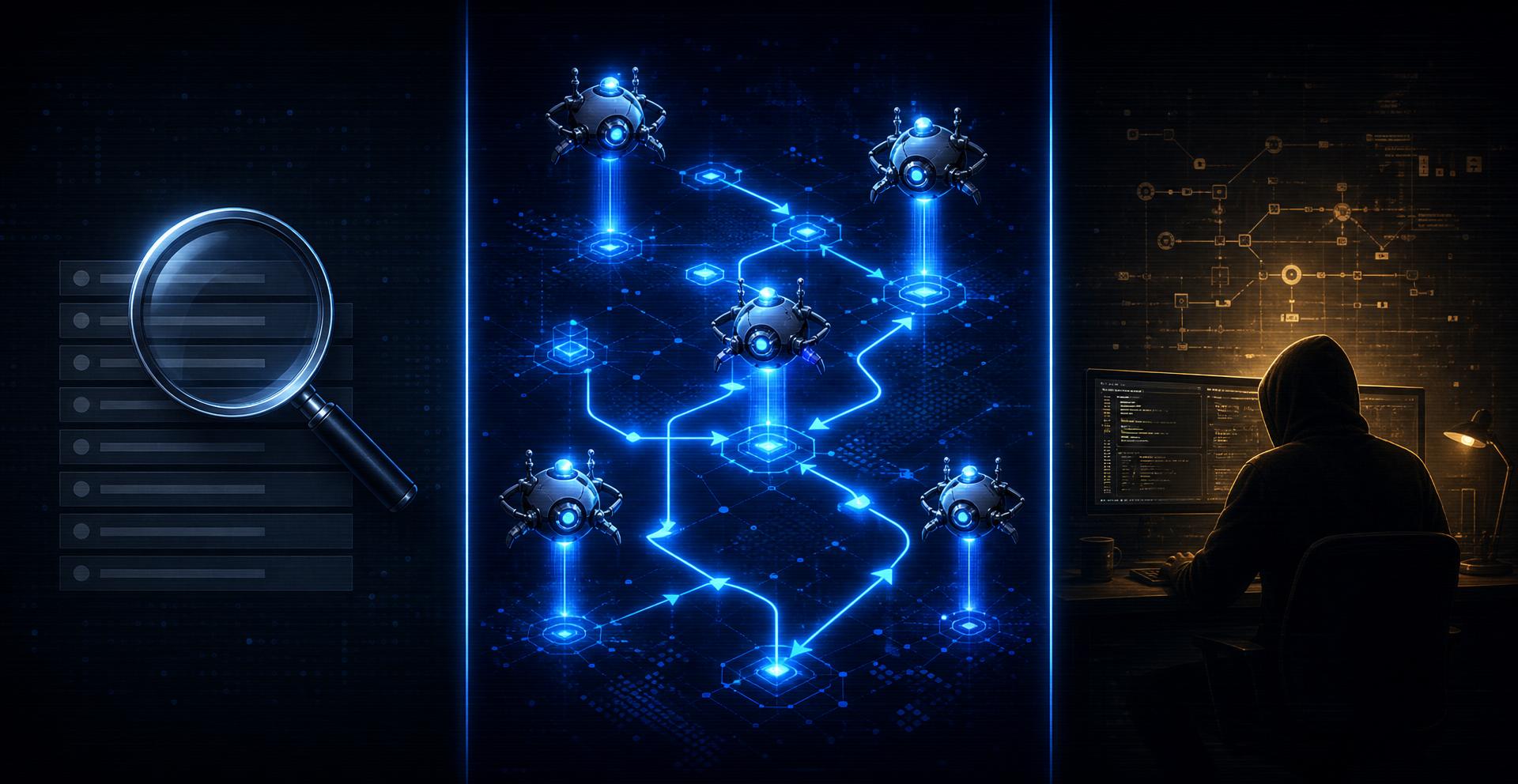
| Capability | Vulnerability Scanner | Automated Pentest (AI Agents) | Manual Pentest | Hybrid (StealthNet) |
|---|---|---|---|---|
| Finds CVEs | ✓ | ✓ | ✓ | ✓ |
| Validates exploitability | ✗ | ✓ | ✓ | ✓ AI + human |
| Chains attack paths | ✗ | ✓ | ✓ | ✓ Multi-step |
| Business-logic flaws | ✗ | Limited | Strong | Strong (human-led) |
| Coverage cadence | Continuous | Continuous / on demand | Annual / quarterly | Continuous + on demand |
| Time to first findings | Minutes | Hours | 1 to 3 weeks | 48 hours, signed |
| Audit-ready report | ✗ | ✓ (with human sign-off) | ✓ | ✓ Senior tester signed |
In short: automated penetration testing vs manual penetration testing is no longer an either/or. The hybrid model captures the speed and breadth of automation with the depth and defensibility of a human-signed report.
How modern automated pentesting works
The previous generation of "automated pentest" tools was essentially scripted scanning. The 2026 generation looks fundamentally different because it is built on autonomous agents that reason about what they find and decide what to try next.
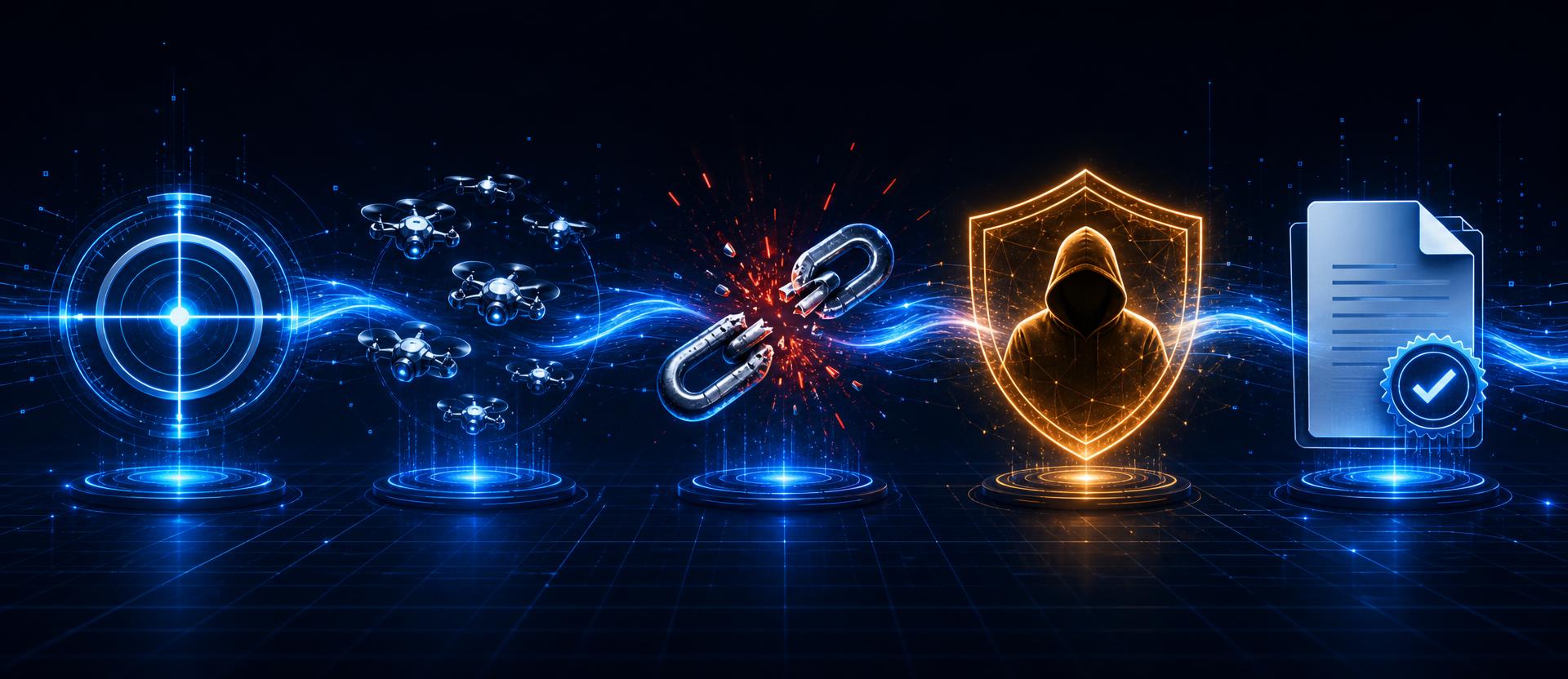
- Scope. You define targets (web apps, APIs, external network, internal network, domains) and load any required credentials.
- AI agents enumerate. Specialized agents (Web App, API, External Network, Vishing, Dark Web) run recon and discovery in parallel at machine speed.
- Agents exploit and chain. Confirmed vulnerabilities get exploited safely to prove impact, then chained into attack paths (for example: exposed endpoint, auth bypass, data exfiltration).
- Senior tester validates. A human reviews every finding, removes false positives, and pushes exploitation deeper where machines stop short.
- Audit-ready report. Findings are mapped to the frameworks you need (SOC 2, PCI DSS 4.0, HIPAA, HITRUST, FedRAMP, FDA, CMMC) and delivered in a format auditors accept.
Why teams are moving from legacy scanners to autonomous agents
- Coverage gap. Scanners miss anything that requires login, state, or chained reasoning. AI agents test those paths.
- False-positive fatigue. Agents validate exploitability before raising the alert, and humans confirm before it ships.
- Release velocity. Annual pentests cannot keep up with weekly deploys. Automated pentests can run on every release.
- Compliance pressure. SOC 2 CC4.1 / CC7.1, PCI 11.4, and HITRUST r2 increasingly expect ongoing testing evidence, not a once-a-year PDF.
- Cost. Senior testers are scarce. Automation lets one senior tester act as a force multiplier across many engagements.
This is the same shift documented by NIST SP 800-115 and the OWASP Web Security Testing Guide: real penetration testing requires validated exploitation, not vulnerability enumeration alone.
Can penetration testing be fully automated?
Short answer: no, and that is by design. Stages 1 through 3 of the pipeline (scope, enumerate, exploit and chain) can run end to end without a human in the loop. Stages 4 and 5 (validation and the signed report) are where automated penetration testing software stops short.
Three things break a "fully automated" claim:
- Business-logic abuse. An AI agent can probe an endpoint, but understanding that a $0 price change should never be allowed in a multi-tenant checkout flow requires a tester who understands intent.
- Risk narrative. An auditor or board does not want a JSON dump of findings. They want a story: how bad is this, why does it matter, what is the fix, what is the residual risk.
- Attestation. Every major compliance framework expects a named human signing off the methodology and the findings. No agent can do that.
What automated pentesting still cannot do alone

Even the best autonomous agents have limits. A human in the loop is what turns interesting machine output into a defensible pentest:
- Business-logic abuse. Pricing manipulation, IDOR chains across multi-tenant flows, and abuse of role boundaries usually need a human to reason about intent.
- Custom protocols and bespoke auth. Anything off the well-trodden path still benefits from a tester who can adapt.
- Risk narrative. Auditors and execs want context: how bad is this, why does it matter to the business, what is the fix.
- Signing off compliance evidence. A named senior tester on the report is what auditors trust.
"1 senior tester + AI agents covers what used to require a 4-person team."
This is why the hybrid model (AI agents plus senior pentester) is becoming the default for serious engagements. It is the only configuration that satisfies both modern release velocity and traditional audit rigor.
How to evaluate an automated penetration testing vendor
- Is exploitation validated? Confirm the platform proves exploitability, not just CVE matching.
- Who validates the findings? Look for a named senior tester on the report, not just a queue of analysts.
- What frameworks does the report map to? SOC 2, PCI DSS 4.0, HIPAA, HITRUST, FedRAMP, FDA, CMMC. Your auditor cares about format.
- How fast can you scope and start? Days, not weeks.
- Retests and remediation tracking? Free retests after fixes is now table stakes.
- What is and is not in scope by default? Web app, API, external net, internal net, AI/LLM, cloud. Confirm coverage.
- Pricing model. Annual subscription vs per-engagement. Understand what is bundled.
For a deeper side-by-side of the leading platforms, see our roundup of the best AI penetration testing tools in 2026.
The StealthNet approach: hybrid automated penetration testing
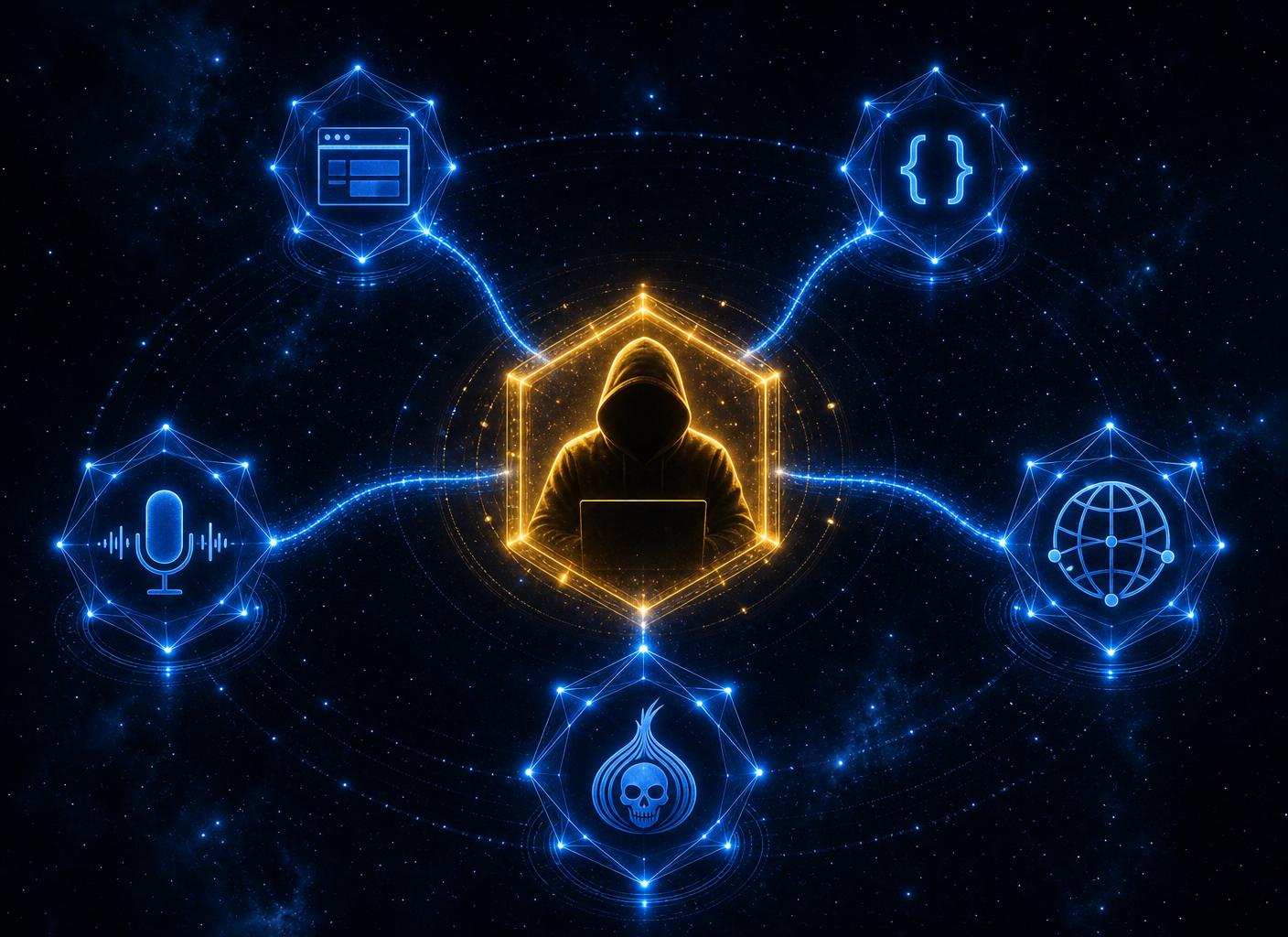
StealthNet AI runs continuous automated penetration tests using a fleet of proprietary AI agents (Web App, API, External Network, Vishing, and Dark Web) supervised by senior pentesters who validate every finding before it ships. The result is machine-speed coverage with human-grade rigor, delivered as an audit-ready report in 48 hours.
- Force multiplier. 1 senior tester + AI agents covers what used to require a 4-person team.
- Compliance ready. Reports map to SOC 2, PCI DSS 4.0, HIPAA, HITRUST, FedRAMP, FDA 524B, and CMMC out of the box.
- Continuous, not annual. Run pentests on every release, not once a year.
- Free retests. Fix it, we re-test it, evidence updated.